Expert Senior Memory Care Programs
Specialized elderly cognitive support services serve a critical function in supporting people with cognitive impairments. These services provide customized treatment approaches and organized settings that enhance psychological health. Trained staff members provide compassionate support, fostering connections and engagement. As loved ones look for the best options for their family members, grasping the features and benefits of these programs becomes crucial. The journey of finding the perfect match can result in life-changing outcomes for both elderly individuals and their relatives.
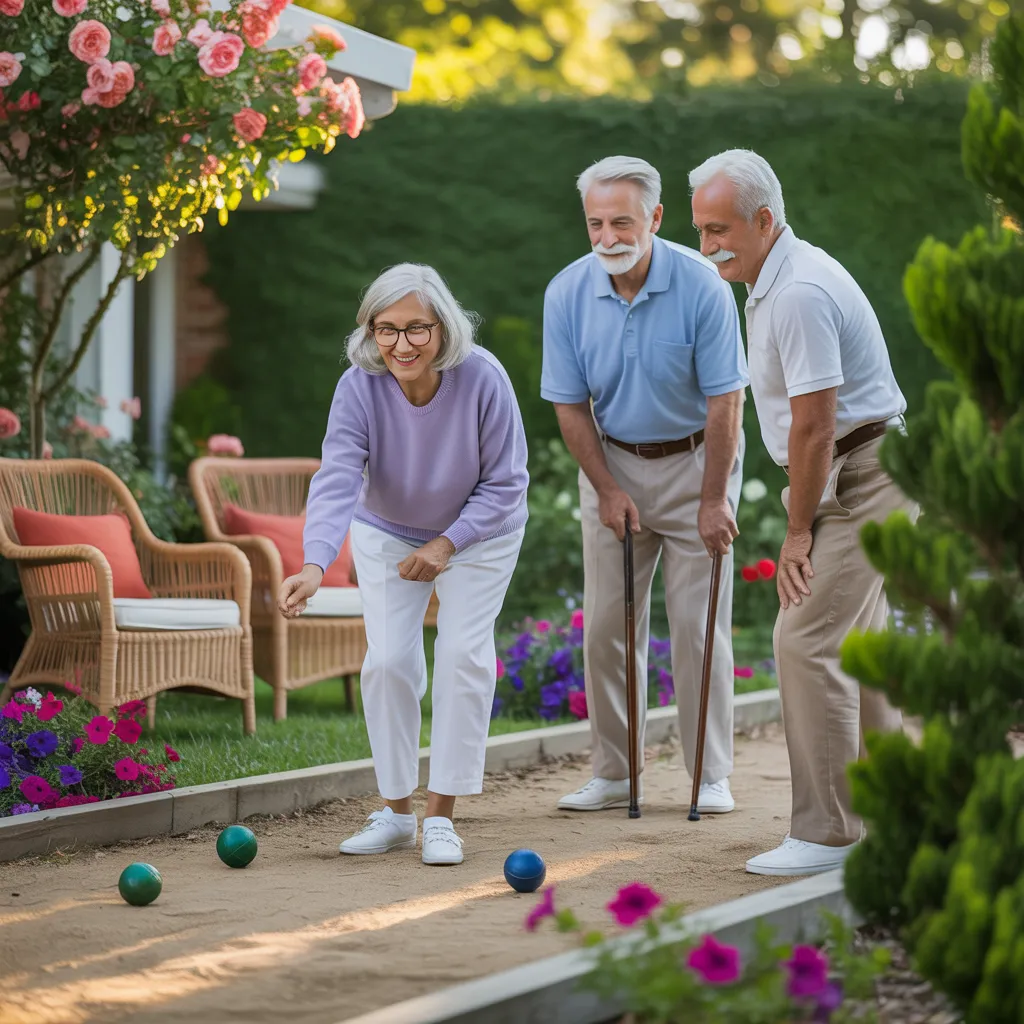
Managing Forgetfulness: Learning About Alzheimer's Care
Managing memory loss requires a intricate insight of memory care, as it encompasses different plans tailored to individual needs. Memory care centers on helping seniors with cognitive impairments, such as Alzheimer's disease or other varieties of dementia. This dedicated approach strives to construct useful guide a safe and regulated context that promotes autonomy while ensuring the well-being of residents.
Effective memory care approaches often integrate individualized care plans, interactive activities, and interventions intended to boost mental acuity. Care providers finish advanced training to understand the complexities of cognitive decline and to engage effectively with clients. In addition, establishing meaningful relationships and psychological support is critical in boosting overall wellness for those affected. In essence, understanding memory care entails recognizing the diverse challenges experienced by persons with memory loss and the importance of individualized solutions to address those issues effectively.
Key Aspects of Reliable Memory Care Solutions
Effective dementia support initiatives include several essential features that improve the well-being for seniors. Personalized care plans are crucial, as they address individual needs and preferences. Additionally, an engaging activities schedule and skilled personnel knowledge serve important functions in creating a caring setting for individuals.
Customized Support Plans
Personalized care plans function as the basis of effective memory care programs, modifying support to the individual needs and preferences of each person. These plans are developed through thorough assessments, which evaluate cognitive function, medical history, and personal interests. This custom approach guarantees that caregivers can provide appropriate and purposeful support, raising the quality of life for residents. Regular reviews of these care plans allow for adjustments based on the individual's changing needs and progress. Additionally, involving family members in the planning process fosters collaborative relationships and promotes a holistic understanding of the resident's background and preferences. Ultimately, personalized care plans are instrumental in handling the complexities of memory care, ensuring that each resident receives compassionate and effective assistance.
Engaging Activities Timetable
A thoughtfully designed program of activities is crucial in fostering social engagement and cognitive stimulation within memory care programs. Such a schedule typically features a variety of activities tailored to the interests and capabilities of residents. Possibilities may span from musical programs and creative activities to memory exercises and group conversations. Routine physical activities, like nature walks or light movement, can also improve overall health. In addition, integrating sensory experiences, such as plant care or culinary activities, can evoke positive recollections and encourage participation. By emphasizing both shared pursuits and personal interests, these programs not only cultivate cognitive activity but also deepen social bonds among residents. In conclusion, a carefully planned program of activities
Experienced Personnel Proficiency
Trained staff play a crucial role in the effectiveness of memory care programs, ensuring that residents receive the dedicated support they need. Their expertise encompasses understanding various forms of dementia and effective communication strategies designed for individual residents. Ongoing training in behavioral management techniques improves their ability to address challenging situations with empathy and patience. Additionally, staff members are equipped to implement personalized care plans that focus on the specific needs and preferences of each individual. This specialized training fosters a secure and nurturing environment, promoting cognitive engagement and emotional well-being. Ultimately, the proficiency of trained staff not only improves the quality of care but also enriches the overall experience for residents, making them feel valued and understood.
How Individualized Care Improves Results for Alzheimer's and Dementia
While many people with Alzheimer's and dementia face distinct obstacles, personalized assistance can significantly improve their overall well-being. Individualized treatment strategies, created based on personal requirements and preferences, ensure that each person obtains the specific assistance that fosters their well-being. This method not only handles daily living tasks but also emphasizes emotional and cognitive care.
Engaging people in familiar and meaningful activities can enhance recall and promote a sense of purpose. Personal connections with care providers, who comprehend the nuances of each resident's background, further enhance feelings of security and trust. In addition, personalized support can help decrease anxiety and agitation, prevalent in those with cognitive challenges. By creating a nurturing environment that honors individuality, advanced cognitive support initiatives enable residents to maintain dignity and improve their general quality of life. Ultimately, tailored assistance plays a essential role
Finding the Best Memory Care Program for Your Precious Relative?
Finding the appropriate memory care facility requires a rigorous assessment of the individual needs of your family member. It is essential to inspect the activities offered through each facility and how they align with those requirements. In addition, reflecting on the training of the staff can serve as a pivotal part in safeguarding high-quality support and aid.
Evaluate Personal Needs Initially
How can families ensure they pick the most fitting memory care program for their loved ones? The initial step involves a detailed assessment of individual needs. Families should consider the particular mental difficulties their loved ones experience, as well as their physical health, emotional state, and individual likes. Comprehending the distinct mix of these factors can help with identifying a program that aligns with their loved one's requirements. Additionally, families should assess the amount of support needed, including help with everyday tasks and any specialized medical support. Engaging in frank discussions with the loved one and speaking to healthcare professionals can further clarify these needs, ensuring a more knowledgeable choice when selecting the appropriate memory care program.
Assess Program Activities Provided
Evaluating the activities offered by memory care services is crucial for making sure they meet the needs and preferences of residents. Engaging tasks can stimulate cognitive function and promote social interaction, helping to improve the overall quality of life. Programs should include a range of options tailored to different cognitive levels, such as arts and crafts, music therapy, and guided reminiscence sessions. Outdoor activities and physical exercises are also vital for promoting physical health and mobility. In addition, it is helpful to assess whether the activities encourage family involvement, building connections between residents and their loved ones. Ultimately, a well-rounded schedule that prioritizes both mental and physical engagement can greatly contribute to a resident's emotional well-being and fulfillment.
Review Personnel Qualifications Meticulously
When evaluating a memory care program for a family member, reviewing staff qualifications is important, as the competence and knowledge of caregivers directly influence the quality of support delivered. Interested families should ask about the educational qualifications, licenses, and focused education of personnel. Memory care programs with certified dementia specialists can provide individualized support that satisfies unique requirements. It is equally valuable to review staff-to-resident ratios, confirming proper supervision and attention. Moreover, ongoing professional development and training for staff indicate a commitment to delivering quality service. Loved ones should have confidence that their loved ones receive skilled care
Memory Care Options That Advance Well-Being
Engaging in memory care activities can boost the well-being of seniors facing cognitive challenges. These activities are intended to stimulate mental abilities, improve social engagement, and promote emotional health. Activities such as puzzles, memory games, and reminiscence therapy encourage mental engagement and help strengthen neural connections. Art and music therapy provide expressive mediums, allowing seniors to express themselves and connect with their emotions.
Physical exercises, like gentle exercises or dance, not only enhance movement but also boost spirits and decrease anxiety. Garden work and outdoor walks can enhance sensory engagement and foster a feeling of achievement. Collective pursuits, such as storytelling or cooking classes, encourage socialization, minimizing sense of loneliness. Ultimately, tailored memory care activities play an vital role in preserving dignity and enhancing the quality of life for seniors, offering them with significant moments that promote happiness and bonds in their daily lives.
Family's Function in Assisting Dementia Care
Family members fulfill an crucial role in facilitating memory care, as their involvement can significantly improve the quality of life for seniors dealing with cognitive challenges. By keeping in touch consistently, families help seniors stay engaged, minimizing feelings of isolation that often follow memory loss. Direct involvement in care procedures, such as helping with daily activities and attending therapy sessions, fosters a sense of security and familiarity.
Moreover, family members can champion their loved ones, guaranteeing their requirements and preferences are met within specialized dementia services. Recounting individual recollections and meaningful narratives can stimulate mental engagement, making daily interactions more significant. Understanding the specific challenges of mental decline equips family groups to provide tailored assistance, establishing a nurturing environment. Ultimately, the emotional and practical participation of family members is essential, as it not only enriches the senior's experience but also fortifies family bonds through this challenging period.
Remarkable Success Stories From Cognitive Care Programs
The active involvement of family members in memory care not only elevates the emotional well-being of older populations but also opens doors to significant breakthroughs within memory care programs. In one striking instance, a resident named Margaret, who demonstrated severe anxiety, experienced a significant shift after her daughter began participating in daily activities. Their shared moments built a sense of security, resulting in strengthened relationships with staff and peers.
Similarly, a project in a local facility centered on personalized storytelling, permitting residents to recount their life experiences with family. This effort not only improved seniors' confidence but also strengthened familial bonds, producing observable improvements in mood and cognitive engagement.
These positive narratives reveal that when families participate actively in memory support, they create an climate that enables restoration and advancement, showcasing the profound impact of caring relationships in expert memory care centers.
Regular Question Resource
What Qualifications Need to Staff Obtain in Memory Care Programs?
Personnel in memory care programs should possess relevant credentials in gerontology or memory disorders, experience in behavioral management, strong interpersonal abilities, empathy, and continuous education to remain current on best practices for supporting people with cognitive decline.
In What Ways Do Memory Care Programs Deal With Medical Emergencies?
Memory care programs typically create protocols for medical emergencies that feature professional development, immediate access to doctors and nurses, emergency response plans, and routine practice exercises to assure readiness for various critical situations affecting patients' health.
Can You Keep Pets at Memory Care Facilities?
Understanding of how animals benefit residents' psychological wellness has made many care environments receptive to animals. These facilities regularly allow pets, nurturing companionship and diminishing worry among individuals with memory challenges.
What Can You Plan to Pay for Memory Care Programs?
The conventional expense for memory care falls between $3,000 to $7,000 per month, determined by location, amenities, and required level of care, with numerous facilities delivering multiple pricing models to accommodate diverse needs.
What Ways Can Families Discuss With Staff About Their Relative's Needs?
Families are able to engage successfully with staff by arranging frequent meetings, providing thorough observations, questioning their care practices, and raising their worries. Honest discussion promotes cooperation and confirms that the loved one's needs are continuously addressed.